Streaming Kanäle und ihre Probleme!
Texte
Zu viele Portale, zu viele Serien? Warum Qualität unter Druck gerät
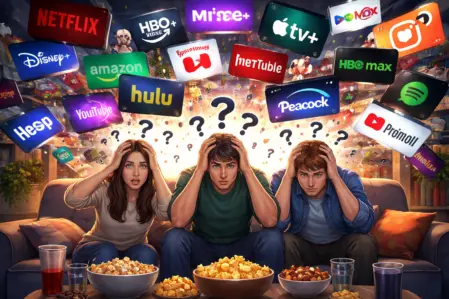
Streaming sollte einmal Freiheit bedeuten: mehr Auswahl, mehr mutige Stoffe, mehr Qualität jenseits des alten Fernsehens. Heute wirkt der Markt oft anders. Zuschauer jonglieren mehrere Abos gleichzeitig, während der Frust über Preise und Gegenwert steigt. Laut Deloitte nutzt ein durchschnittlicher Haushalt weiterhin vier kostenpflichtige Streamingdienste, zahlt dafür aber mehr als im Vorjahr; 41 Prozent der Befragten sagen inzwischen, das Angebot sei den Preis nicht wert, 47 Prozent empfinden Streaming insgesamt als zu teuer. Auch in Europa zeigt sich Ermüdung: In einer aktuellen Deloitte-Erhebung in den Niederlanden sagten 19 Prozent, sie hätten schlicht zu viele Abonnements.
Gleichzeitig ist die Zeit des grenzenlosen „Peak TV“ vorbei. FX Research zählte für die USA 2023 noch 516 Original-Serien im Scripted-Bereich, nach 600 im Jahr 2022. Und der Rückzug setzt sich fort: Ampere Analysis meldete, dass die großen globalen Streamer ihre Scripted-Aufträge im ersten Halbjahr 2025 gegenüber dem Vorjahreszeitraum um 24 Prozent reduziert haben. Das heißt: Es gibt zwar viele Plattformen, aber nicht automatisch mehr kreative Risiken. Der Markt wird vorsichtiger.
Disney und Amazon zeigen, warum. Disney meldete für das Geschäftsjahr 2025 im Direct-to-Consumer-Geschäft 1,3 Milliarden US-Dollar operativen Gewinn und kündigte für 2026 Investitionen von rund 24 Milliarden US-Dollar in Inhalte an – mit Fokus auf Sportrechte, neue und bestehende Franchise sowie TV-Inhalte. Amazon begründete die Einführung begrenzter Werbung bei Prime Video ausdrücklich damit, weiter langfristig in Inhalte investieren zu wollen. Streaming wird damit zunehmend wie ein klassisches, streng kalkuliertes Mediengeschäft geführt – nicht mehr wie ein reines Wachstumsversprechen. Sinkt dadurch die Qualität? Nicht automatisch. Hochwertige Serien verschwinden nicht. Aber der kreative Mittelbau gerät unter Druck. Wenn Plattformen stärker auf Profitabilität, Werbeerlöse und sichere Reichweite achten, gewinnen bekannte Marken, Krimi, Comedy, Reality, Doku-Formate und andere kosteneffiziente Genres an Gewicht.
Eine aktuelle Branchenauswertung unter Verweis auf Ampere beschreibt genau diese Entwicklung: mehr Fokus auf kostengünstigere Mainstream-Inhalte und Live-Sport, weniger Raum für teure, riskantere Prestige-Serien. Die Schwäche des Systems liegt deshalb nicht nur in „billigen Serien“, sondern in einer enger werdenden Risikobereitschaft. Das eigentliche Problem ist also nicht allein die Menge. Es ist die Logik dahinter. Je mehr Portale um Aufmerksamkeit, Abos und Werbegeld kämpfen, desto größer wird der Druck, Inhalte zu produzieren, die schnell funktionieren, international verwertbar sind und sich algorithmisch sauber vermarkten lassen. Das kann Qualität hervorbringen – aber oft eine berechenbare. Aus „Peak TV“ wird so zunehmend „Efficiency TV“.
