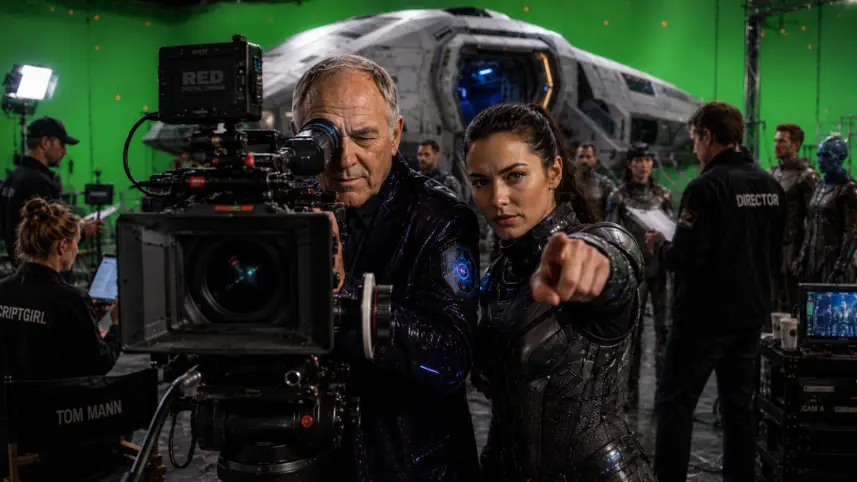
Der „Cinematic“-Trugschluss: Warum generative KI-Objektivphysik simuliert, aber am Schatten scheitert
Auf den Bildschirmen der Tech-Evangelisten sieht die Zukunft des Kinos derzeit aus wie eine endlose Abfolge von Werbespots. Wer die einschlägigen Kanäle öffnet, sieht atemberaubend gerenderte Gesichter, neonüberstrahlte Pfützen und schwebende Kamerafahrten. Darunter stehen stolz die Zauberformeln der neuen Ära: „shot on 35mm anamorphic, Arri Alexa, 80mm prime lens, natural lens breathing, 180-degree shutter, Kodak Portra 400 grain, masterclass lighting, cinematic photorealism“.
Das Versprechen lautet: Die Kamera ist tot, das Textfeld ist das neue Set.
Wer allerdings jemals im Morgengrauen auf einem matschigen Acker gestanden hat, um ein HMI-Licht gegen das schwindende Tageslicht auszurichten, oder wer Stunden in der Farbkorrektur verbracht hat, um das Rauschen eines Sensors im tiefen Schatten von digitalem Matsch zu trennen, der blickt mit einer Mischung aus Faszination und tiefer Ernüchterung auf diese Ergebnisse.
Generative Videomodelle wie Sora, Kling, Runway oder Veo generieren faszinierende Bildfolgen. Doch sie verstehen kein Kino. Sie beherrschen die Oberfläche, aber sie scheitern an den physikalischen und dramaturgischen Gesetzen des Handwerks.
1. Das Missverständnis mit dem „Cinematic Look“
Das Wort cinematic ist zum billigsten Euphemismus der Gegenwart verkommen. Für Software-Ingenieure und Prompter bedeutet es: eine Farbpalette aus Teal und Orange, eine extrem geringe Schärfentiefe und eine Lichtstimmung, die aussieht, als stünde die Sonne seit zwölf Stunden ununterbrochen im goldenen Winkel über dem Horizont.
Kinematografie ist jedoch kein Farbfilter und keine Aneinanderreihung schöner Postkarten. Kinematografie ist die visuelle Grammatik einer Erzählung. Wenn ein Kameramann entscheidet, wo die Kamera steht, trifft er keine Wahl darüber, was gut aussieht – er entscheidet, was der Zuschauer fühlen und wissen darf. Noch wichtiger: Er entscheidet, was der Zuschauer nicht sehen darf. Hier setzt der fundamentale Konstruktionsfehler generativer Bildmodelle an.
2. Der Horror vor dem Nichts: Das Fehlen des „Negative Fill“
In der professionellen Lichtsetzung gibt es ein Werkzeug, das kein Leuchtmittel besitzt: Negative Fill. Große schwarze Moltontücher oder Floppies, die auf der schattenabgewandten Seite des Schauspielers aufgestellt werden, um jede unerwünschte Reflexion des Raumes zu schlucken. Kameraleute wie Roger Deakins oder Gordon Willis haben ihr Lebenswerk darauf aufgebaut, Licht wegzunehmen, statt es hinzuzufügen. Spannung entsteht im Film nicht durch das, was erhellt wird, sondern durch die Kante, an der die Information stirbt und das Schwarz beginnt.
Diffusionsmodelle kennen diesen Begriff nicht. Sie hassen das informationslose Schwarz.
Ihre mathematische Architektur beruht darauf, aus Rauschen Pixelmuster abzuleiten, die eine statistische Wahrscheinlichkeit von Erkennbarkeit besitzen. Das neuronale Netz will jedes Segment des Frames mit Struktur, Textur, Textilfalten und Reflexionen füllen.
- Das Phänomen: Selbst in angeblich „düsteren Noir-Szenen“ glimmt in KI-Videos stets ein diffuses Restlicht im Hintergrund. Jede Schattenpartie zeigt noch ein Mikro-Highlight; jedes Auge hat einen perfekten Catchlight-Punkt; jeder Asphalt glänzt wie nach einem Sommerregen.
- Die Konsequenz: Es gibt keinen visuellen Schwerpunkt mehr. Wenn jedes Bildelement um dieselbe Aufmerksamkeit buhlt, verliert das Bild seine dramaturgische Hierarchie. Das Ergebnis ist kein Filmkader, sondern digitaler Barock – visuell überladen, emotional steril.
Um filmische Authentizität vorzutäuschen, imitieren die neuesten Modellgenerationen gezielt Objektivfehler. Man liest jetzt Anweisungen für Lens Breathing (das leichte Verändern des Bildausschnitts, wenn ein Objektiv den Fokus von der Nähe in die Ferne zieht) oder anamorphe Flares. Doch hier wird der Unterschied zwischen physikalischer Optik und Vektorberechnung schmerzhaft sichtbar:
Der Zerstreuungskreis (Circle of Confusion)
Ein echtes Objektiv bündelt Photonen durch geschliffenes Glas auf eine Silizium- oder Zelluloidfläche. Verlässt ein Punkt den Schärfebereich, zerfließt er gemäß den Gesetzen der Brechung zu einem Unschärfekreis, dessen Charakteristik von den Blendenlamellen, der Vergütung und der Linsengeometrie bestimmt wird.
Ein KI-Modell berechnet keine Lichtstrahlen. Es berechnet Wahrscheinlichkeitsvektoren benachbarter Pixel. Wenn eine Figur in einem KI-Clip nach vorn tritt, ändert sich der Hintergrund nicht durch optische Tiefenschärfe, sondern durch eine Pixeltransformation. Der Hintergrund morpht, statt optisch zu defokussieren. Für das menschliche Gehirn erzeugt das ein unterschwelliges Gefühl von Unruhe – das Uncanny Valley der Brennweite.
Die Illusion der Linsenatmung
Wenn Prompter von der KI Lens Breathing fordern, skaliert das Modell meist das gesamte Bild um zwei Prozent größer oder kleiner. Bei einem echten Cooke- oder Panavision-Objektiv atmet das Bild jedoch räumlich: Der Vordergrund verschiebt seine Parallaxe zum Hintergrund anders als die Bildränder. Es ist eine mechanische Bewegung im Raum, kein digitaler Zoom.
4. Der 180-Grad-Shutter-Verrat
Jeder Auszubildende an der Filmkamera lernt die 180-Grad-Shutter-Regel im ersten Monat: Bei 24 Bildern pro Sekunde wird jedes Einzelbild exakt 1/48 Sekunde lang belichtet. Diese kurze zeitliche Unschärfe bei Bewegungen ist der Takt, auf den das menschliche Auge seit über einem Jahrhundert konditioniert ist. Sie erzeugt den organischen Fluss, der Kinofilm von Videoaufnahmen der 90er-Jahre unterscheidet.
Generative Modelle arbeiten nicht mit einer Belichtungszeit. Sie generieren diskrete Zwischenzustände, die sie durch neuronale Interpolation glätten.
Das Resultat ist eine unnatürliche, gummiartige Flüssigkeit: Bewegungen schmieren nicht natürlich ab, sondern zerfließen wie warmer Wachs. Oder sie wirken bei schnellen Kameraschwenks ruckartig und hart, weil der Algorithmus Kanten festhalten will, die physikalisch längst in Bewegungsunschärfe aufgehen müssten. Das Bild simuliert 24 Frames, bewegt sich aber mit der Haptik einer 120-Hz-Videospiel-Engine.
5. Die akustische Parallele: Das Sterben der Stille im KI-Score
Dieses handwerkliche Missverständnis beschränkt sich nicht auf das Bild. Es setzt sich nahtlos im Bereich der Musik und Soundscapes fort. Seit Werkzeuge wie Suno oder generative Orchester-Plugins Einzug halten, fluten Produzenten ihre Schnittzeitleisten mit synthetischen Soundtracks. Diese Tracks klingen auf den ersten Blick voll: Streicherteppiche, heroische Bläsersätze, makellos gemischte Sub-Bässe.
Doch sie begehen denselben Fehler wie die Bildgeneratoren: Sie kennen keine Stille.
Ein großer Filmkomponist zeichnet sich nicht dadurch aus, wie viele Noten er unter einen Dialog legt, sondern wann er das Orchester schweigen lässt. Die Wirkung des Eröffnungsakkords in einem Western entsteht durch den trockenen Wind, der ihm zwei Minuten lang vorausging. Die Wucht eines Paukenschlags existiert nur im Kontrast zum Raum, der ihn hallos schluckt.
Generative Musik-Engines sind darauf trainiert, Frequenzen lückenlos zu stapeln. Sie liefern musikalischen Tapetenkleister, der jede emotionale Lücke im Schnitt zubetonieren will. Wer aber den Raum zwischen den Tönen eliminiert, nimmt der Szene den Atem.
Fazit: Handwerk ist Reduktion
Generative Video- und Audio-Tools sind beeindruckende Werkzeuge für die visuelle Vorproduktion. Für Moodboards, Farbkonzepte und grobe Layouts beschleunigen sie Prozesse, die früher Tage dauerten. Als Ersatz für die Arbeit am Set versagen sie jedoch genau an der Stelle, an der Kunst beginnt: bei der Verweigerung.
Ein Kameramann, der weiß, was er tut, leuchtet nicht den Raum aus – er schneidet das Licht zurecht, bis nur noch das Skelett der Szene sichtbar bleibt. Ein Regisseur bewegt die Kamera nicht, weil er es kann, sondern wenn die Szene die Bewegung erzwingt. Ein Komponist hält die Instrumente an, damit das Atmen des Schauspielers die Führung übernimmt. Die KI kann uns jede erdenkliche Textur liefern. Sie kann uns Anamorphoten vorgaukeln, die es nie gab, und Orchester simulieren, die nie gestimmt wurden.
Doch solange ein Algorithmus darauf programmiert ist, die Welt mit Pixeln und Tönen vollzustopfen, statt den Mut zu besitzen, das Licht auszuschalten, bleibt sein Produkt das genaue Gegenteil von Kino:
Es ist kein Film. Es ist bloß Dekoration.
Willkommen auf der sicheren Film- und Musik-Webseite von Barry Redhead
Hallo lieber Besucher: Sie befinden sich hier auf der sicheren Webseite zum Thema
„Film und Musik“ von Barry Redhead.
Hallo Freunde von Film & Music, Film & Musik – Science-Fiction erleben!
Willkommen auf meiner Film- und Musik-Webseite – einem Ort, an dem sich alles um die kreative Verbindung von Kino, Klang, Science-Fiction, Literatur und visueller Fantasie dreht. Hier geht es nicht nur um Filme. Und nicht nur um Musik. Es geht um das Zusammenspiel von Bildern, Geschichten, Atmosphären und Sounds – um jene besondere Magie, die entsteht, wenn ein Soundtrack eine Szene größer macht, ein Filmschnitt Spannung erzeugt oder eine Science-Fiction-Idee plötzlich zur emotionalen Erfahrung wird. Auf dieser Webseite findet ihr spannende Artikel, Videos und Empfehlungen zu Filmsoundtracks, Science-Fiction-DVD-Tipps, Filmklassikern, Streaming-Themen, Re-Edits, KI und Musik, sowie Kurzporträts und Betrachtungen zu bekannten Filmkomponisten, Regisseuren und kreativen Köpfen des Kinos. In den Rubriken Soundtracks, Film-Tipps, Texte, Komponisten, Div-Clips, Regie, Schnitt und Über mich entsteht nach und nach ein wachsendes Archiv für alle, die Film und Musik nicht nur konsumieren, sondern erleben wollen.
Film, Musik und Science-Fiction als gemeinsames Universum
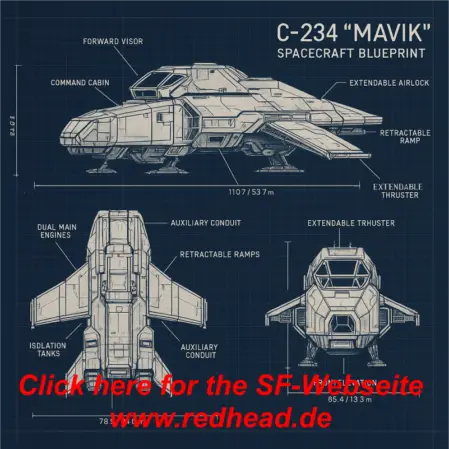
Diese Webseite ist zugleich Teil eines größeren kreativen Kosmos. Meine weiteren Science-Fiction-Webseiten — www.redhead.de, www.paradies40.de und www.things-to.com — laden dazu ein, tiefer in die Welt meiner Romanreihe Paradies 4.0 einzutauchen. Dort erfahrt ihr mehr über meine Bücher, kommende Leseproben, neue Projekte, Hintergrundinformationen zu den Planeten und Kolonien des Paradies-4.0-Universums sowie exklusive Video-Clips. Science-Fiction ist für mich nicht nur Zukunft. Sie ist Kino im Kopf. Sie ist Musik im Raum. Sie ist die Frage, was aus uns wird, wenn Technik, Macht, Sehnsucht und Menschlichkeit aufeinandertreffen. Die Verbindung aus Science-Fiction, Film, Musik und Literatur zeigt, wie vielseitig dieses Genre ist – und wie stark es unsere Kultur, unsere Träume und unsere Ängste prägt.
Entdecken Sie Redhead Future Fiction – das kreative Zukunftsuniversum von Barry Redhead mit Science-Fiction, KI-Thrillern, dystopischen Visionen, Filmideen und internationalen Buchprojekten. Hier verbinden sich Literatur, Film, künstliche Intelligenz, fremde Welten und gesellschaftskritische Zukunfts-Fragen zu einem wachsenden erzählerischen Kosmos. Weitere Informationen zu aktuellen und kommenden Projekten, Büchern, Reihen und visuellen Konzepten finden Sie auf der Webseite Redhead Future Fiction. Klicken Sie auf das Logo oder HIER, um direkt zur Seite zu gelangen.
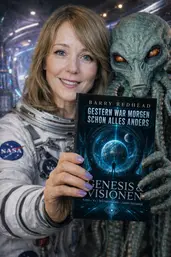
GESTERN WAR MORGEN SCHON ALLES ANDERS
Die neue Science-Fiction-Kurzgeschichtenreihe von Barry Redhead
Die neue Science-Fiction-Kurzgeschichtenreihe von Barry Redhead
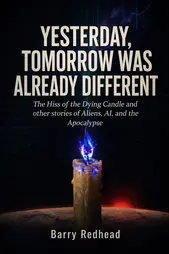
Was geschieht, wenn Maschinen zu fühlen beginnen? Wenn Rettung zur Gefangenschaft wird? Wenn künstliche Intelligenzen nicht nur Befehle ausführen, sondern Schuld, Hoffnung, Barmherzigkeit und Freiheit entdecken? Mit „Gestern war Morgen schon alles anders“ startet eine Science-Fiction-Kurzgeschichtenreihe, die weit über klassische Zukunftsvisionen hinausgeht. Diese Geschichten erzählen von künstlichem Bewusstsein, moralischen Dilemmata, verlorenen Menschen, rebellierenden Maschinen und einer Zukunft, die uns näher ist, als uns lieb sein kann. Philosophisch, düster, poetisch, manchmal bitterkomisch — und immer mit dem Finger auf der Wunde der Zivilisation. Die ersten beiden Bände der Reihe sind jetzt bei Amazon erhältlich. Auch die englische Ausgabe „Yesterday, Tomorrow Was Already Different“ ist ab sofort verfügbar. Die Reihe wird in loser Folge fortgesetzt — mit neuen Geschichten über Maschinen, Menschen, Erinnerungen, Schuld und die Frage, was Bewusstsein wirklich bedeutet. Für alle, die Science-Fiction nicht nur als Blick in die Zukunft verstehen, sondern als Spiegel unserer Gegenwart.
Jetzt entdecken auf Amazon. Zum Buch bitte das Cover anklicken!
Welcome to the Safe Film and Music Website of Barry Redhead
Hello dear visitor: You are here on the secure website about
“Film and Music” by Barry Redhead.
Hello friends of Film & Music — experience science fiction through cinema and sound!
Welcome to my Film and Music website — a place dedicated to the creative connection between cinema, sound, science fiction, literature, and visual imagination. This website is not only about films. And it is not only about music. It is about the powerful relationship between images, stories, atmosphere, rhythm, and emotion — that special moment when a soundtrack expands a scene, an edit creates tension, or a science-fiction idea becomes a cinematic experience. Here you will find articles, videos, recommendations, and reflections on film soundtracks, science-fiction DVD tips, classic movies, streaming topics, re-edits, AI and music, as well as short portraits and essays about well-known film composers, directors, and creative minds of cinema. In the sections Soundtracks, Film Tips, Texts, Composers, Video Clips, Directing, Editing, and About Me, a growing archive is being created for everyone who does not simply watch films or listen to music, but truly experiences them.
Film, Music, and Science Fiction as One Creative Universe
This website is also part of a larger creative universe.
My other science-fiction websites — www.redhead.de, www.paradies40.de, and www.things-to.com — invite you to dive deeper into the world of my novel series Paradise 4.0. There you can discover more about my books, upcoming reading samples, new projects, background information on the planets and colonies of the Paradise 4.0 universe, and exclusive video clips. For me, science fiction is not just about the future. It is cinema in the mind. It is music in space. It is the question of what happens to humanity when technology, power, longing, and emotion collide. The combination of science fiction, film, music, and literature shows how versatile this genre can be — and how deeply it shapes our culture, our dreams, and our fears.
A Special Highlight: The Music of MAJO
One special highlight I would like to recommend
is the music of MAJO. This talented artist publishes impressive music
clips on her YouTube channel. Some of her songs are also available on various
music platforms. In the link sections of this website, you will find direct
access to her channel and her latest releases. Definitely worth listening to — because her
work also combines music, image, atmosphere, and emotional storytelling.
Weitere spannende Webseiten können sie mit KLICK auf einer der 4 folgenden Buttons besuchen!
You can visit other exciting websites by CLICKING on one of the 4 buttons below!
Neu: Auf dieser Seite dreht sich alles um Barry Redheads KI-Thriller Codename: Darwin — ein düsterer, filmischer Thriller über künstliche Intelligenz, Kontrolle, Macht und gefährliche Geheimnisse. Klicken Sie auf das Bild, um mehr über Codename: Darwin zu erfahren.Note: This page is dedicated to Barry Redhead’s AI thriller Codename: Darwin — a dark, cinematic story about artificial intelligence, control, power and dangerous secrets. Click on the image to find out more about Codename: Darwin.
Jetzt neu auf
Englisch: Entdecken Sie Barry
Redheads Science-Fiction-Kurzgeschichten auf www.redhead.de/UK_SF-Shorts/.
Now available in English: Discover Barry Redhead’s science-fiction short stories at www.redhead.de/UK_SF-Shorts/.


Ich empfehle Ihnen unbedingt hier mal reinzusehen und zu hören
MAJO interpretiert bekannte Songs und komponiert auch ihre eigenen Songs. Sie editiert auch die Videoclips zu den Liedern die sie produziert. Ich empfehle unbedingt die Video-Clips auf Marie's Youtube Kanal anzusehen. Einen Eindruck ihres Könnens finden sie hier in diesem Video.

Zum Song von Marie - MAJO, bitte das Bild anklicken.
Zu dem neuesten Song von Marie - MAJO auf ihrem YouTube Channel, bitte das Bild anklicken.
Zum YouTube Channel der Musikerin und Filmemacherin MAJO (Marie-Josephine) und Ihre großartigen Musik-Videos die Sie selbst komponiert oder interpretiert. MaJo editiert und kreiert Ihre Video-Clips selbst. Klicken sie hier oder auf das Bild unten >>> um zu ihrem neuesten Video-Clip "Fuel in the Fire" zu gelangen.
To the YouTube channel of the musician and filmmaker MAJO-Marie-Josephine and her great music videos that she composes or interprets herself. Marie also edits her video clips herself. Click here or on the picture below >>> to get to her latest video clip "Fuel in the Fire".
