Fantasy und Science - Fiction
Texte
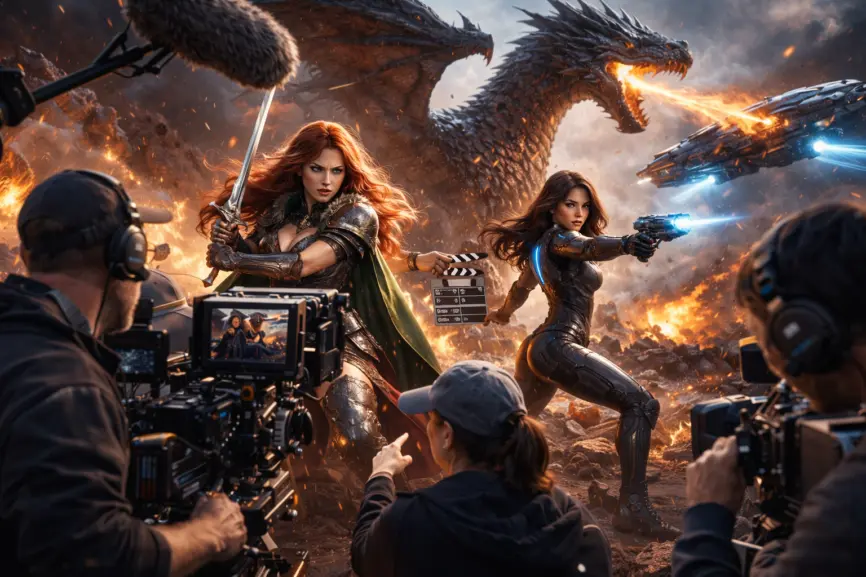
Fantasy verführt mit Magie, Mythen, Drachen und alten Reichen. Science-Fiction dagegen blickt nach vorn. Sie fragt nicht, welche übernatürlichen Kräfte eine Welt beherrschen, sondern was mit Menschen, Gesellschaften und Machtstrukturen passiert, wenn Technik, Politik und soziale Entwicklungen weitergedacht werden.
Genau darin liegt der entscheidende Unterschied: Fantasy erschafft das Wunder, Science-Fiction untersucht die Konsequenz. Während Fantasy oft vom Zauber des Unmöglichen lebt, arbeitet Science-Fiction mit denkbaren Möglichkeiten. Sie nimmt das, was heute schon sichtbar ist — Künstliche Intelligenz, Überwachung, Klimakrise, Kriege, Machtverschiebungen, Raumfahrt, Biotechnologie — und verwandelt es in glaubwürdige Bilder von morgen.
Vielleicht ist das auch einer der Gründe, warum Science-Fiction-Filme lange stärker als eher männlich geprägtes Genre wahrgenommen wurden, während Fantasy für viele Zuschauerinnen emotionaler, mythischer und märchenhafter wirkte. Ganz so einfach ist diese Trennung heute zwar nicht mehr, doch der kulturelle Eindruck hält sich: Science-Fiction wird oft mit Technik, Krieg, Zukunft und Systemen verbunden, Fantasy stärker mit Mythologie, Schicksal, Magie und Gefühl.
Dabei ist Science-Fiction in ihrer besten Form weit mehr als bloßes Zukunftsdesign. Sie ist ein Denkraum. Sie erlaubt es, politische Entwicklungen, technische Innovationen und gesellschaftliche Spannungen weiterzudenken. Niemand kann die Zukunft sehen. Aber gute Science-Fiction kann zeigen, wie sie aussehen könnte — plausibel, unbequem und manchmal erschreckend nah an der Gegenwart.
Große Filmemacher haben genau daraus ihre Welten gebaut. Ridley Scott machte mit Blade Runner aus der Zukunft eine düstere Megastadt voller Identitätskrisen, Konzernmacht und technischer Entfremdung. Denis Villeneuve erzählt in Dune von imperialer Politik, Religion, Ressourcenkrieg und Schicksal — irgendwo zwischen Science-Fiction und Wüstenmythos. Die Wachowskis verwandelten The Matrix in eine philosophische Kampfzone über Realität, Kontrolle und Freiheit. Und George Lucas schuf mit Star Wars zwar eine Zukunftswelt voller Raumschiffe, aber im Kern auch eine große Sternensaga aus Mythos, Macht und Rebellion.
Gerade hier wird es spannend: Manche Filme überschneiden beide Genres. Dune ist das beste Beispiel dafür, weil der Film futuristische Technik, Raumfahrt und politische Systeme mit religiöser Symbolik, archaischen Kämpfen und beinahe mystischer Bildsprache verbindet. Auch Die Herrschaft des Feuers spielt bewusst in dieser Grenzzone: postapokalyptische Zukunft trifft auf Drachenfantasy. Solche Filme zeigen, dass Science-Fiction und Fantasy keine Feinde sind, sondern manchmal zwei Kräfte, die sich gegenseitig verstärken.
Auffällig ist außerdem, dass viele Science-Fiction-Filme dystopisch sind. Das hat einen einfachen Grund: Dystopien sind erzählerisch stärker als perfekte Welten. Eine ideale Zukunft erzeugt wenig Konflikt. Eine kaputte Zukunft dagegen erzeugt Angst, Spannung und Dramatik. Filme wie Silent Running zeigen das deutlich: Die Zukunft wird nicht als Paradies erzählt, sondern als Warnung. Technik, Fortschritt und Macht erscheinen dort nicht als Erlösung, sondern als Gefahr für Natur, Freiheit und Menschlichkeit.
Selbst Reihen wie Star Wars oder Star Trek zeigen am Ende keine wirklich schöne neue Welt. In Star Wars dominieren Imperium, Krieg, Unterdrückung und Aufstand. In Star Trek ist die Vision zwar deutlich hoffnungsvoller, doch auch dort braucht die Erzählung Konflikte, Krisen, Geheimdienste, Feinde und moralische Grenzfälle. Vielleicht liegt genau darin die Wahrheit des Genres: Zukunft ist im Kino selten friedlich, weil Drama Reibung braucht.
So lässt sich der Unterschied auf einen klaren Satz verdichten: Fantasy fragt, welche Wunder eine Welt tragen. Science-Fiction fragt, welche Zukunft eine Welt aushält.
Und genau deshalb bleibt Science-Fiction so einzigartig: Sie zeigt nicht nur fremde Welten — sie zeigt, was aus unserer werden könnte.
